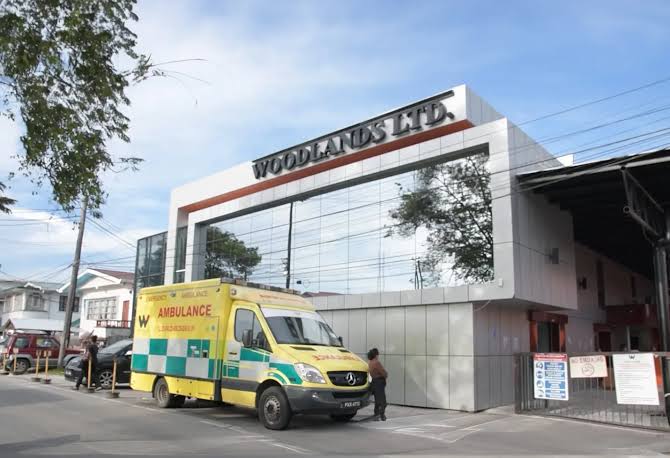

GEORGETOWN, GUYANA — Timely and accurate diagnosis is a critical part of modern healthcare. From investigating unexplained symptoms to assessing complex medical conditions, diagnostic services help healthcare professionals make informed clinical decisions and determine appropriate next steps for patients.
At Woodlands Hospital in Georgetown, Guyana, diagnostic capabilities form part of a broader range of healthcare services that includes medical consultations, specialist departments, laboratory investigations, imaging and emergency care.
The Importance of Diagnostic Information
Many medical conditions present with symptoms that can have several possible causes. A clinical examination may provide important initial information, but doctors may also need laboratory tests or medical imaging to understand a patient’s condition more clearly.
Diagnostic investigations can help healthcare professionals assess symptoms, identify abnormalities, evaluate the extent of certain conditions and monitor changes over time. The specific tests required depend on the patient’s symptoms, medical history and clinical assessment.
Woodlands Hospital lists radiology and laboratory services among its available facilities, supporting diagnostic evaluation across a range of healthcare needs.
Imaging and Laboratory Services
Medical imaging allows healthcare professionals to examine internal structures and investigate conditions that may not be apparent through a physical examination alone. Different imaging techniques serve different clinical purposes, and the appropriate method depends on the question being investigated.
Woodlands Hospital lists MRI and X-ray imaging among its diagnostic services. These technologies are used in different clinical situations, with decisions about their use made according to medical indications and professional judgement.
Laboratory investigations provide another important source of clinical information. Depending on the tests requested, laboratory results can assist in evaluating infections, monitoring organ function and investigating other health concerns.
The value of diagnostic services lies not simply in the availability of equipment, but in the appropriate selection, interpretation and use of results as part of a patient’s overall clinical assessment.
Connecting Diagnostics With Specialist Care
Diagnostic information often becomes most useful when considered alongside a patient’s symptoms, examination findings and medical history. Specialist consultations help bring these elements together to guide further investigation or treatment.
Woodlands Hospital lists specialties including cardiology, neurology, orthopaedics, gynaecology, paediatrics, urology, internal medicine and general surgery, among others.
The combination of specialist consultations and diagnostic services offers patients access to different components of the clinical evaluation process within one hospital setting. Depending on individual circumstances, additional referrals or investigations may still be required.
Supporting Urgent Medical Assessment
In emergency situations, healthcare professionals may need to assess a patient quickly and determine whether immediate intervention is necessary. Access to appropriate clinical assessment and diagnostic support can be important in guiding those decisions.
Woodlands Hospital lists its emergency department, radiology and laboratory services as operating 24 hours a day. Patients experiencing potentially serious symptoms should seek urgent medical attention, with emergency assessment taking priority over routine appointment arrangements.
Technology Must Work Alongside Clinical Expertise
Medical technology is an important part of healthcare delivery, but technology alone does not determine the quality of a diagnosis. Appropriate clinical protocols, qualified professionals, equipment maintenance, quality assurance and clear communication all contribute to the effective use of diagnostic resources.
Patients also benefit when healthcare professionals explain why a test has been recommended, what the results may indicate and whether further assessment is needed. Understanding these details can help patients participate more confidently in decisions about their care.
Diagnostic Services Within a Broader Healthcare Approach
As medical practice continues to develop, diagnostic services remain closely connected to prevention, treatment planning and the management of ongoing health conditions.
Woodlands Hospital’s listed combination of imaging, laboratory services, specialist consultations and emergency care reflects the different resources that may be involved in evaluating and treating patients.
For individuals seeking diagnostic investigations or specialist medical advice in Georgetown, contacting Woodlands Hospital directly can help confirm current service availability, appointment requirements and any preparation needed before a test.
By placing diagnostic services within a wider clinical setting, Woodlands Hospital provides patients with access to several components of the medical assessment process under one institutional umbrella.