
Nvidia has taken a major step beyond its traditional graphics card business by unveiling the new RTX Spark chip, a platform designed to power the next generation of AI-focused personal computers.
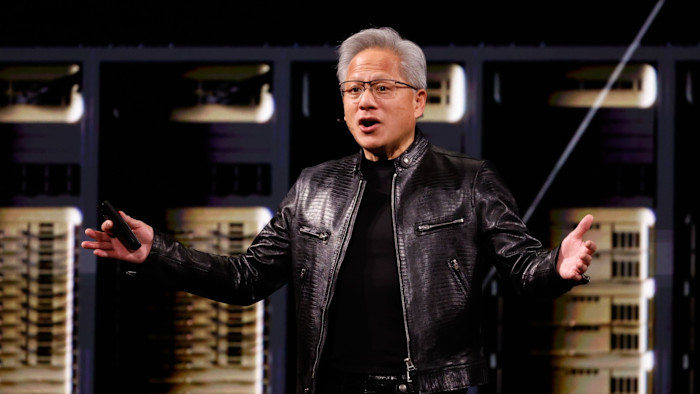
The announcement was made by Nvidia CEO Jensen Huang during his keynote address ahead of Computex 2026 in Taipei, Taiwan. The company believes AI-powered computers will fundamentally change how people interact with technology, much like smartphones transformed the mobile industry.
A New Era of AI-Powered PCs
According to Nvidia, the RTX Spark is more than just a processor. The company describes it as a “superchip” built specifically for personal AI assistants and intelligent computing experiences.
The chip combines multiple technologies into a single platform capable of running advanced AI workloads directly on a user’s device. Instead of relying heavily on cloud servers, future PCs equipped with RTX Spark will be able to process complex AI tasks locally, improving speed, privacy, and efficiency.
Nvidia says the technology is designed to turn computers from simple productivity tools into intelligent digital companions capable of assisting users in real time.
Major PC Brands Back Nvidia’s New Platform
Several of the world’s leading computer manufacturers have already committed to launching devices powered by RTX Spark.
Companies including Lenovo, HP, Dell, Microsoft Surface, ASUS, and MSI are expected to introduce RTX Spark-based Windows PCs later this year. Additional models from Acer and Gigabyte are also planned.
The broad industry support highlights growing interest in AI-centric computing as manufacturers look for new ways to differentiate their products in an increasingly competitive market.
Nvidia Expands Beyond Graphics Cards
For years, Nvidia has been best known for its powerful graphics processing units (GPUs), which are widely used in gaming, content creation, and artificial intelligence applications.
However, industry analysts view the RTX Spark launch as a significant strategic shift.
Instead of supplying individual components, Nvidia is now offering a complete computing platform that integrates AI capabilities directly into the personal computing experience. This move places the company in more direct competition with established chipmakers such as Intel, AMD, and Qualcomm.
Experts believe the launch could intensify competition across the PC industry as manufacturers race to deliver faster and more capable AI-powered devices.
Partnership with Microsoft Strengthens AI Vision
A key part of Nvidia’s strategy involves collaboration with Microsoft.
The two companies are working together to create a secure Windows environment optimized for AI agents and advanced machine-learning applications. These AI agents are designed to perform tasks autonomously, helping users with productivity, research, development, and everyday computing activities.
Microsoft CEO Satya Nadella said the partnership aligns with the company’s long-term goal of bringing powerful AI capabilities to every desktop and household.
The integration of RTX Spark into Windows devices is expected to provide developers with improved tools for building and deploying AI applications locally.
Focus on Developers and AI Professionals
Industry experts suggest Nvidia’s initial target audience will be software developers, AI researchers, and professionals who require workstation-level performance.
By combining specialized hardware with Nvidia’s established AI software ecosystem, the company hopes to create an attractive platform for developers already working with AI technologies.
This approach could encourage users to remain within Nvidia’s hardware and software environment, strengthening the company’s position in the rapidly growing AI market.
Nvidia’s Growing Influence in the AI Industry
The launch comes at a time when Nvidia is experiencing unprecedented growth thanks to the global demand for artificial intelligence infrastructure.
Its advanced processors power many of the world’s largest AI data centers, helping the company become one of the most valuable technology businesses globally.
As AI adoption continues to accelerate, Nvidia is now looking beyond enterprise computing and into the consumer market, where AI-powered PCs could become the next major technology trend.
US Tightens AI Chip Export Restrictions
The announcement also comes amid increasing geopolitical tensions surrounding advanced semiconductor technology.
The United States recently introduced stricter export regulations aimed at preventing Chinese companies from accessing the most advanced AI chips. New guidelines require additional licensing for shipments of high-end processors to overseas subsidiaries of Chinese firms.
The move is part of Washington’s broader effort to limit access to technologies considered critical for artificial intelligence development.
Looking Ahead
With RTX Spark, Nvidia is positioning itself at the center of the emerging AI PC revolution. As major manufacturers prepare to launch new devices powered by the platform, the coming months could mark the beginning of a new chapter for personal computing.
If successful, RTX Spark-powered computers may help bring advanced artificial intelligence directly to consumers, transforming the PC from a traditional machine into a smarter and more capable digital assistant.