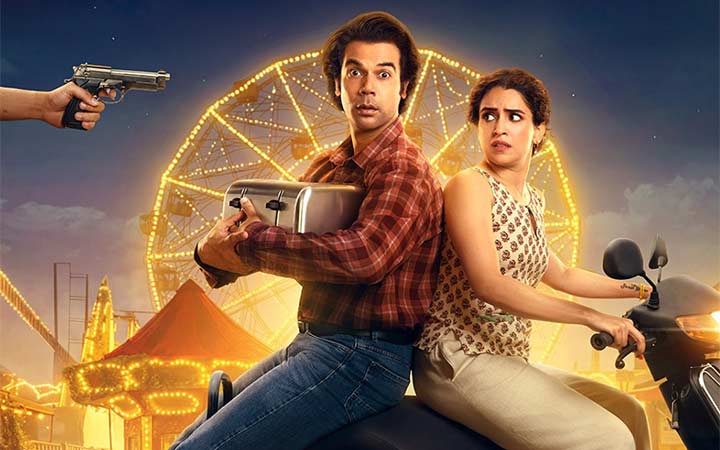

In the crowded landscape of Indian streaming originals, few films promise the precise blend of dark humor, social satire, and domestic absurdity that Toaster delivers. Directed by Vivek Daschaudary and produced by Rajkummar Rao and Patralekhaa under their banner Kampa Films (marking Patralekhaa’s producing debut), this 126-minute Hindi-language black comedy thriller premiered directly on Netflix today. Starring Rajkummar Rao and Sanya Malhotra in the lead roles, with a stellar supporting ensemble including Archana Puran Singh, Abhishek Banerjee, Farah Khan, Upendra Limaye, Seema Pahwa, and others, Toaster takes a seemingly trivial household object and transforms it into a catalyst for marital mayhem, murder, and biting commentary on Indian middle-class values.
Plot and Premise: When Frugality Meets Farce
Without venturing into major spoilers, the story centers on Ramakant (Rao), a notoriously miserly everyman whose extreme kanjoosi (stinginess) defines his worldview. After gifting an expensive ₹5,000 toaster to a newlywed couple at their wedding, the marriage collapses almost immediately. What begins as a petty, almost comical fixation on retrieving “his” appliance spirals uncontrollably into a web of lies, secrets, police involvement, and unintended violence. Co-starring Sanya Malhotra as his sharp-witted wife Shilpa, the film cleverly uses this absurd premise to explore how small domestic triggers can expose deeper cracks in relationships, societal expectations, and personal priorities.
The screenplay (credited to Parveez Shaikh and Akshat Ghildial in development) draws from relatable Indian realities—middle-class Delhi-NCR life, arranged marriages, nosy neighbors, and the cultural obsession with “value for money.” It’s a modern-day MacGuffin story reminiscent of classic farces like The Pink Panther or even the Coen Brothers’ early work, but firmly rooted in Bollywood’s tradition of dark comedies such as Andhadhun or Badhaai Ho. The result is a film that starts light and escalates into something far more twisted and thought-provoking.
Performances: Rao’s Masterclass in Restrained Madness
Rajkummar Rao once again proves why he remains one of Hindi cinema’s most versatile actors. As Ramakant, he embodies the role with precise physicality—subtle twitches, deadpan stares, and escalating panic that make the character both pitiful and uproariously funny. Rao’s ability to humanize an unlikeable protagonist elevates the material; his performance carries the film’s emotional and comedic weight without ever tipping into caricature. It’s a layered portrayal that showcases his signature blend of vulnerability and intensity, building on roles from Newton to Stree.
Sanya Malhotra complements him perfectly as Shilpa, delivering a grounded, no-nonsense counterbalance. Her chemistry with Rao feels authentic and lived-in, turning their marital arguments into some of the film’s most quotable and relatable moments. The supporting cast shines brightly: Archana Puran Singh’s scene-stealing energy as the nosy Pherwani Aunty provides consistent laughs, while Abhishek Banerjee and Farah Khan add memorable flair. Upendra Limaye’s Inspector Balagode brings a welcome dose of grounded realism amid the escalating absurdity, preventing the chaos from feeling cartoonish.
Direction, Technical Craft, and Themes
Vivek Daschaudary’s direction maintains a brisk pace in the first half, layering absurdity upon absurdity with surgical precision. The film’s visual style—courtesy of cinematographer Jishnu Bhattacharjee—captures the claustrophobic charm of middle-class homes and bustling streets with a gritty, naturalistic lens that enhances the dark comedy. Aman Pant’s understated score builds tension effectively without overpowering the humor.
Thematically, Toaster is smarter than its premise suggests. It satirizes the Indian obsession with frugality (“kanjoosi ka bakheda”), the performative nature of modern marriages, and how seemingly insignificant objects can unravel carefully constructed lives. In an era of rising economic pressures and social media facades, the film’s commentary feels timely and incisive—though some viewers may find the second-half twists overly convoluted, shifting the tone from sharp satire to broader farce.
Strengths, Shortcomings, and Overall Verdict
Toaster excels in its committed cast, clever premise, and cultural specificity, making it a refreshing addition to Netflix’s Indian comedy slate. The first hour crackles with inventive humor and social insight, and Rao’s performance alone makes it worth the watch. However, the film occasionally overextends its absurdity in the latter stages, where pacing slows and some darker elements feel labored rather than organic—echoing early audience feedback noting occasional lulls in momentum.
This is not a flawless masterpiece, nor does it aim to be. It’s a tightly constructed, entertaining ride that rewards viewers who appreciate offbeat, character-driven black comedies over conventional thrillers or slapstick. For fans of Rao’s eclectic filmography or films that poke fun at everyday Indian quirks, it delivers solid entertainment.
Final Rating: 3.7/5 Recommended for a weekend binge with family or friends—ideally while enjoying actual toast. Stream it on Netflix now, but approach with realistic expectations: strong performances and sharp writing carry a concept that sometimes bites off more than it can chew.
Toaster proves that even the most mundane kitchen appliance can spark cinematic chaos when handled with wit and commitment. In a streaming era flooded with formulaic content, this one stands out for daring to be different.